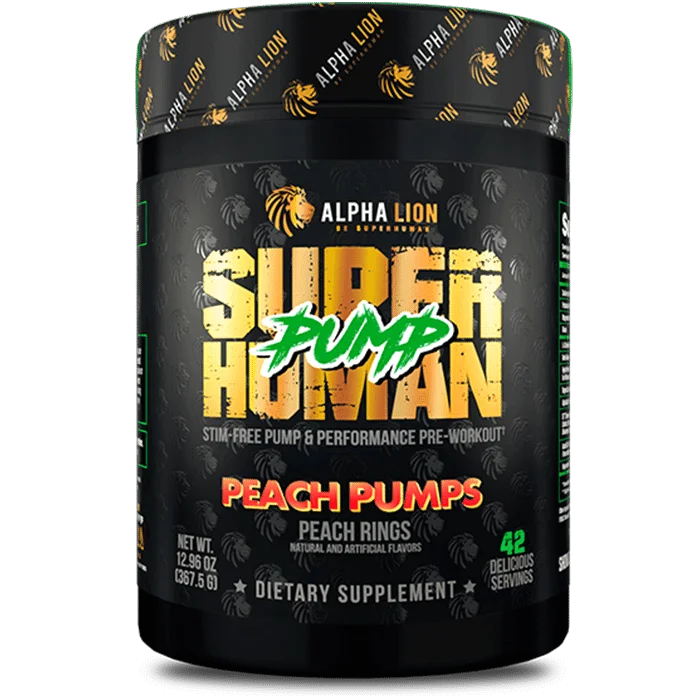
A1
L-citrulline
- Product declaration
- L-Citrulline: 8000 mg
- Selected studied range
- 3000 to 9000 mg
- Protocol and duration
- per day, in the studies NIH ODS summarizes
- Studied context
- Studied as a nitric-oxide pathway precursor (converted to arginine via the urea cycle) for aerobic exercise performance measures such as oxygen-uptake (VO2) kinetics, blood lactate, and rate of perceived exertion, and for acute resistance-exercise performance and muscle oxygenation. NIH ODS describes evidence for enhancing performance as limited, with few studies and conflicting results.
- Limitations
- A 2022 systematic review/meta-analysis found no significant benefit for endurance-performance outcomes specifically. A single 8 g acute dose did not enhance isometric force production, muscle endurance, or muscle-oxygenation parameters in one resistance-exercise study. NIH ODS characterizes overall performance-enhancement evidence as limited.
Selected evidence: NIH ODS, Dietary Supplements for Exercise and Athletic Performance · Open source
A2
Beta-alanine
- Product declaration
- Beta Alanine: 3200 mg
- Selected studied range
- 4000 to 6000 mg
- Protocol and duration
- per day in divided doses, for at least 2 to 4 weeks, not as a single pre-workout dose
- Studied context
- Studied for high-intensity exercise capacity in the 60-240 second range via elevation of muscle carnosine, which acts as an intracellular pH buffer against acidosis. ISSN 2015 position stand: greatest performance benefits in "open end-point" tasks/time trials lasting 1-4 minutes; some benefit noted in aerobic exercise up to roughly 25 minutes; attenuation of neuromuscular fatigue, particularly noted in older adults.
- Limitations
- Strength/resistance-training outcomes remain mixed; training volume may increase without a clear strength gain. Tasks under 60 seconds do not show benefit. Endurance benefit beyond about 25 minutes is not established. Long-term safety data beyond roughly a year, and effects in special/tactical populations, are flagged as needing more research.
Selected evidence: ISSN position stand on beta-alanine, 2015 · Open source
A2
Agmatine sulfate
- Product declaration
- Agmatine Sulfate: 1500 mg
- Selected studied range
- No dose range selected
- Protocol and duration
- Not recorded in the selected comparison
- Studied context
- Human data is comparatively sparse. A randomized double-blind placebo-controlled trial studied oral agmatine sulfate (1,335-3,560 mg/day for up to 3 weeks) for lumbar disc-associated radiculopathy (a clinical/pain context, not sports performance). A 2019 Scientific Reports paper examined safety and neurochemical profiles of acute and sub-chronic oral agmatine sulfate treatment.
- Limitations
- Sports-performance-specific human efficacy data for agmatine sulfate (e.g., a dedicated ISSN position stand) was not located in this research pass. Evidence located centers on safety/tolerability and non-sports clinical contexts rather than an authoritative performance-outcome verdict. Long-term safety in larger populations remains an open gap per the safety literature reviewed.
Selected evidence: Safety and neurochemical profiles of oral agmatine sulfate, 2019 · Open source
A2
Taurine
- Product declaration
- Taurine: 1000 mg
- Selected studied range
- 1000 to 3000 mg
- Protocol and duration
- per day, acutely across 6 to 15 days
- Studied context
- Studied for aerobic performance (VO2max, time-to-exhaustion, time-trial performance), anaerobic/strength performance, exercise-induced muscle damage, and recovery. A 2018 review ("Taurine in sports and exercise," PMC8152067) reports small-to-moderate improvements across several of these outcomes in some studies.
- Limitations
- The 2018 review states plainly: "limited and varied findings prohibit definitive conclusions regarding the efficacy of taurine on aerobic and anaerobic performance," and separately notes no peer-reviewed evidence exists for an independent role of taurine in skeletal-muscle hypertrophy.
Selected evidence: Taurine in sports and exercise, 2018 · Open source
A1
Choline bitartrate
- Product declaration
- Vitacholine Choline L (+) Bitartrate: 500 mg
- Selected studied range
- 425 to 550 mg
- Protocol and duration
- Adequate Intake for adults, a nutrient reference and not an ergogenic dose
- Studied context
- NIH ODS's Choline Health Professional fact sheet establishes choline's core physiological roles: synthesis of phosphatidylcholine and sphingomyelin for cell-membrane structure, acetylcholine (a neurotransmitter for memory, mood, and muscle control) production, methyl-group donation, gene-expression modulation, and brain development. Choline bitartrate is named as one of three supplement forms (with phosphatidylcholine and lecithin).
- Limitations
- NIH ODS states explicitly: "No studies have compared the relative bioavailability of choline from these different forms". Meaning choline bitartrate's absorption/efficacy relative to phosphatidylcholine, lecithin, or non-bitartrate forms (like alpha-GPC) is not established by NIH's own review.
Selected evidence: NIH ODS, Choline fact sheet · Open source
A2
Vincamine
- Product declaration
- Vincamine: 10 mg
- Selected studied range
- No dose range selected
- Protocol and duration
- Not recorded in the selected comparison
- Studied context
- Vincamine has been studied as a pharmacologically active alkaloid in older human clinical and pharmacokinetic research. Those studies are not pre-workout efficacy studies and do not establish a dietary-supplement dose range.
- Limitations
- The product label does not establish pharmaceutical formulation, purity, or equivalence to the preparations in the older studies. No sports-performance benefit is established by the cited sources.
Selected evidence: Severe ventricular arrhythmia following parenteral administration of vincamine · Open source
A2
Caffeine
- Product declaration
- Total caffeine from all declared sources: 0 mg
- Selected studied range
- 140 to 420 mg
- Protocol and duration
- 2 to 6 mg per kg body mass, 15 to 60 minutes before exercise, shown here for a 70 kg adult
- Studied context
- Studied for endurance-type aerobic exercise (moderate to large ergogenic effect, most consistent evidence category per ISSN 2021), muscular endurance and movement velocity in resistance exercise (small to moderate effects), sprinting/jumping/throwing (2-7% improvements), and cognitive attention/vigilance under fatigue. NIH ODS notes it "might enhance performance in endurance-type activities... And intermittent, long-duration activities."
- Limitations
- Minimal effective dose remains unclear. Repeated-sprint performance benefit is inconsistent and the ISSN position stand says this "requires further research." Effects of habitual/chronic caffeine use on the ergogenic response are described as equivocal.
Selected evidence: ISSN position stand on caffeine and exercise performance, 2021, with NIH ODS · Open source