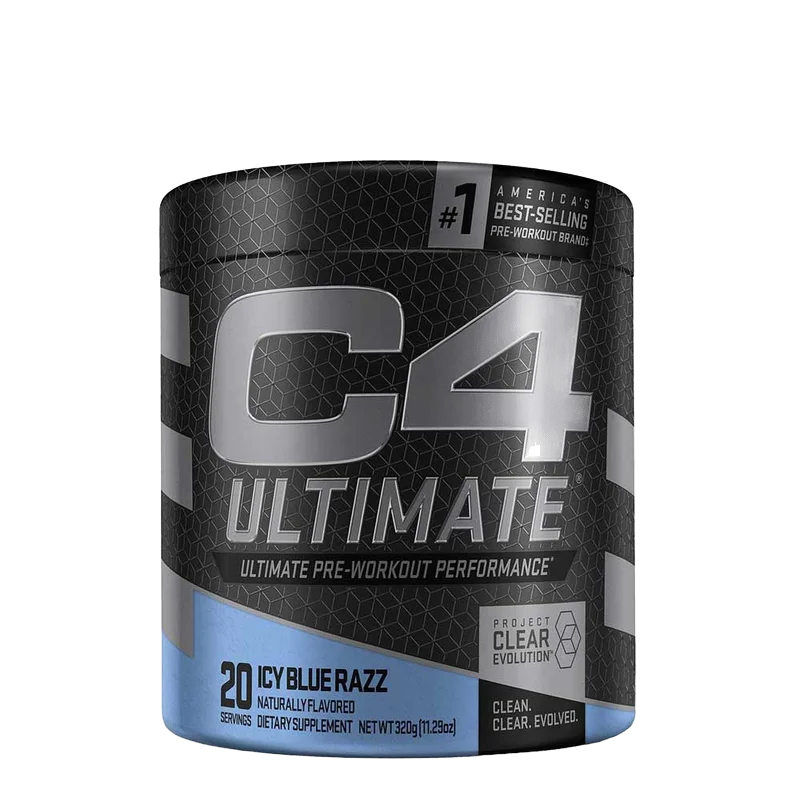
Research-dose context
Selected evidence, not a universal effective dose.
These comparisons retain the studied protocol, source, and limitations. They do not establish safety, effectiveness, or a dose recommendation for this product.
A2
Beta-alanine
- Product declaration
- CarnoSyn Beta-Alanine: 3.2 g
- Selected studied range
- 4000 to 6000 mg
- Protocol and duration
- per day in divided doses, for at least 2 to 4 weeks, not as a single pre-workout dose
- Studied context
- Studied for high-intensity exercise capacity in the 60-240 second range via elevation of muscle carnosine, which acts as an intracellular pH buffer against acidosis. ISSN 2015 position stand: greatest performance benefits in "open end-point" tasks/time trials lasting 1-4 minutes; some benefit noted in aerobic exercise up to roughly 25 minutes; attenuation of neuromuscular fatigue, particularly noted in older adults.
- Limitations
- Strength/resistance-training outcomes remain mixed; training volume may increase without a clear strength gain. Tasks under 60 seconds do not show benefit. Endurance benefit beyond about 25 minutes is not established. Long-term safety data beyond roughly a year, and effects in special/tactical populations, are flagged as needing more research.
Selected evidence: ISSN position stand on beta-alanine, 2015 · Open source
A1
L-citrulline
- Product declaration
- L-Citrulline [Velox Patented Performance Blend]: 3 g
- Selected studied range
- 3000 to 9000 mg
- Protocol and duration
- per day, in the studies NIH ODS summarizes
- Studied context
- Studied as a nitric-oxide pathway precursor (converted to arginine via the urea cycle) for aerobic exercise performance measures such as oxygen-uptake (VO2) kinetics, blood lactate, and rate of perceived exertion, and for acute resistance-exercise performance and muscle oxygenation. NIH ODS describes evidence for enhancing performance as limited, with few studies and conflicting results.
- Limitations
- A 2022 systematic review/meta-analysis found no significant benefit for endurance-performance outcomes specifically. A single 8 g acute dose did not enhance isometric force production, muscle endurance, or muscle-oxygenation parameters in one resistance-exercise study. NIH ODS characterizes overall performance-enhancement evidence as limited.
Selected evidence: NIH ODS, Dietary Supplements for Exercise and Athletic Performance · Open source
A1
L-arginine
- Product declaration
- L-Arginine [Velox Patented Performance Blend]: 3 g
- Selected studied range
- 2000 to 20000 mg
- Protocol and duration
- per day across the studies NIH ODS reviewed
- Studied context
- Plain L-arginine has been studied for exercise-related vasodilation, blood flow, and exercise metabolites, per NIH ODS. The branded ingredient Nitrosigine (inositol-stabilized arginine silicate) has been studied in a series of company-funded and academic trials for acute and sustained plasma arginine elevation, exercise-induced muscle damage markers (serum creatine kinase), perceived energy, and post-exercise cognitive performance. A randomized double-blind study (PMC5133120) reported cognitive-test-score changes (including RBANS measures) in healthy physically active adults.
- Limitations
- NIH ODS states plain arginine supplementation shows "little to no effect on vasodilation, blood flow, or exercise metabolites" and "little to no enhancement of athletic performance" overall. A notably weak evidence verdict for the free amino acid form. For Nitrosigine specifically, this research pass relied on the trademark holder's own technical page and holder-affiliated trial write-ups (A3-level sourcing); no independent NIH/FDA/EFSA evaluation of Nitrosigine's efficacy claims was located.
Selected evidence: NIH ODS, Dietary Supplements for Exercise and Athletic Performance · Open source
A1
Betaine anhydrous
- Product declaration
- BetaPower Betaine Anhydrous: 1.25 g
- Selected studied range
- 2000 to 5000 mg
- Protocol and duration
- per day, studied for up to 15 days
- Studied context
- NIH ODS describes betaine as studied for strength- and power-based performance in bodybuilders and cyclists, with "potential but modest" improvements from a limited set of small, sometimes conflicting studies. A 2024/2025 systematic review focused specifically on endurance performance (VO2max, time-to-exhaustion, time-to-completion, power output).
- Limitations
- The endurance systematic review explicitly states "limited and inconclusive evidence regarding the definitive ergogenic effect of betaine supplementation on endurance exercise performance". Only 2 of 5 reviewed studies showed a significant improvement, and the authors call for "additional, more rigorous research."
Selected evidence: NIH ODS, Dietary Supplements for Exercise and Athletic Performance · Open source
A4
PeptiPump
- Product declaration
- PeptiPump Bioactive Lentil Peptides: 200 mg
- Selected studied range
- No dose range selected
- Protocol and duration
- Not recorded in the selected comparison
- Studied context
- PeptiPump is described (per Nuritas, the trademark holder, and secondary trade coverage) as a network of peptides identified within lentil-protein hydrolysate using Nuritas's "Magnifier AI" discovery platform, selected for angiotensin-converting-enzyme (ACE) inhibitory activity, with a proposed mechanism of preserving bradykinin and reducing ADMA to support nitric-oxide-pathway vasodilation and muscle blood flow. It has been incorporated into Nutrabolt/Cellucor's C4 pre-workout line.
- Limitations
- This is the thinnest evidence base found in this entire research set. A trade-press ingredient explainer (PricePlow) explicitly states: "As of March 2024, there are still no peer-reviewed, journal-published research on PeptiPump itself... While a published clinical trial on PeptiPump was not available at the time of writing, one is registered." All mechanistic claims (ACE inhibition, bradykinin preservation, ADMA reduction, mTOR pathway activity) are described as predictions from Nuritas's AI platform and extrapolations from general ACE-inhibitory-peptide literature (citing unrelated studies such as Hata et al. 1996 and Barbosa et al. 2006), not findings from a human trial of PeptiPump itself.
Selected evidence: Trade-press ingredient explainer · Open source
A2
Creatine nitrate
- Product declaration
- Creatine Nitrate (as NO3-T): 1.5 g
- Selected studied range
- 1500 to 3000 mg
- Protocol and duration
- per day over 28 days, in the one controlled trial located
- Studied context
- A 2016 randomized, placebo-controlled study (Galvan et al., Journal of the International Society of Sports Nutrition) studied creatine nitrate for acute hemodynamic/blood-marker safety and for chronic effects on training performance (bench press lifting volume, power output) compared with creatine monohydrate and placebo.
- Limitations
- The same study found that only creatine monohydrate produced sustained increases in intramuscular creatine concentration through day 28; the high-dose creatine-nitrate group's initial increase "abated" by the end of the study. The evidence base for creatine nitrate is far smaller and shorter-duration than for monohydrate; long-term safety data comparable to monohydrate's multi-year record does not exist.
Selected evidence: Galvan et al., dose dependent creatine nitrate supplementation, 2016 · Open source
A2
L-tyrosine
- Product declaration
- L-Tyrosine: 1 g
- Selected studied range
- 2000 to 2000 mg
- Protocol and duration
- per day for five days, in the cadet study
- Studied context
- Studied as the dietary precursor to norepinephrine for mitigating cognitive performance decrements under acute stress. A 2015 Military Medicine evidence review (rapid evidence assessment, 14 trials: 10 RCTs + 4 controlled clinical trials) issued a "weak recommendation" in favor of tyrosine for cognitive stress specifically, stating "all studies showed a positive effect" on that outcome. A widely cited primary study (Deijen et al. 1999, Brain Research Bulletin) gave cadets 2 g tyrosine daily for five days during a combat training course and found better memory and tracking-task performance, plus lower systolic blood pressure, versus a carbohydrate control.
- Limitations
- The 2015 Military Medicine review states explicitly that "no recommendation could be made" for tyrosine's effect on physical performance under stressful physical conditions, and concludes "available evidence is insufficient to make confident recommendations on the effectiveness of tyrosine for mitigating stress effects on physical/cognitive performance" overall, despite the positive signal on cognition. A separate heat-stress study found tyrosine ingestion did not influence cognitive function or physical performance during exercise heat stress despite raised serum tyrosine. NIH ODS's exercise/athletic-performance fact sheet does not cover tyrosine at all.
Selected evidence: Deijen et al., Brain Research Bulletin, 1999
A2
Methylliberine
- Product declaration
- Dynamine (as Methylliberine): 50 mg
- Selected studied range
- No dose range selected
- Protocol and duration
- Not recorded in the selected comparison
- Studied context
- Methylliberine (Dynamine) has been studied in a four-week randomized trial in young adults, alone and in combination with theacrine, with cardiovascular and blood-biomarker monitoring.
- Limitations
- The study itself describes the human safety literature as new and limited. It does not establish long-term safety, efficacy, or equivalence among commercial methylliberine materials.
Selected evidence: Safety of Short-Term Supplementation with Methylliberine and TeaCrine in Young Adults · Open source
A2
Theacrine
- Product declaration
- TeaCrine (as Theacrine): 10 mg
- Selected studied range
- No dose range selected
- Protocol and duration
- Not recorded in the selected comparison
- Studied context
- Theacrine (TeaCrine) has been studied as a caffeine-like purine alkaloid in short-term human supplementation research, including a four-week randomized study that evaluated cardiovascular measures and blood biomarkers in combination with methylliberine.
- Limitations
- The available human study is short and includes combination arms. It does not establish long-term safety, stimulant equivalence to caffeine, or performance benefit for every theacrine material.
Selected evidence: Safety of Short-Term Supplementation with Methylliberine and TeaCrine in Young Adults · Open source
A2
Caffeine
- Product declaration
- Total caffeine from all declared sources: 300 mg
- Selected studied range
- 140 to 420 mg
- Protocol and duration
- 2 to 6 mg per kg body mass, 15 to 60 minutes before exercise, shown here for a 70 kg adult
- Studied context
- Studied for endurance-type aerobic exercise (moderate to large ergogenic effect, most consistent evidence category per ISSN 2021), muscular endurance and movement velocity in resistance exercise (small to moderate effects), sprinting/jumping/throwing (2-7% improvements), and cognitive attention/vigilance under fatigue. NIH ODS notes it "might enhance performance in endurance-type activities... And intermittent, long-duration activities."
- Limitations
- Minimal effective dose remains unclear. Repeated-sprint performance benefit is inconsistent and the ISSN position stand says this "requires further research." Effects of habitual/chronic caffeine use on the ergogenic response are described as equivocal.
Selected evidence: ISSN position stand on caffeine and exercise performance, 2021, with NIH ODS · Open source