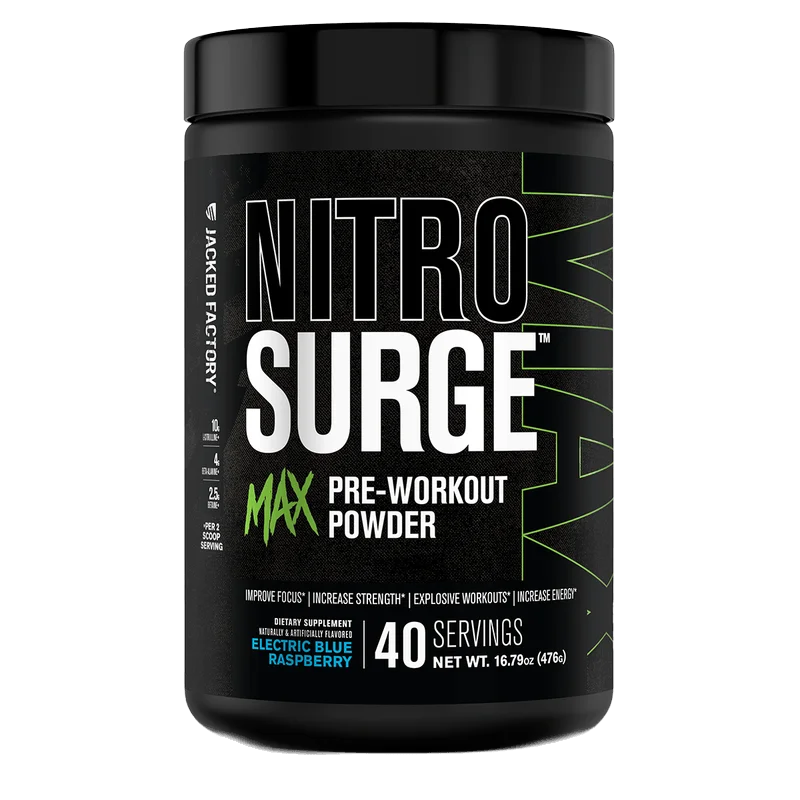
A1
L-citrulline
- Product declaration
- L-Citrulline: 5000 mg
- Selected studied range
- 3000 to 9000 mg
- Protocol and duration
- per day, in the studies NIH ODS summarizes
- Studied context
- Studied as a nitric-oxide pathway precursor (converted to arginine via the urea cycle) for aerobic exercise performance measures such as oxygen-uptake (VO2) kinetics, blood lactate, and rate of perceived exertion, and for acute resistance-exercise performance and muscle oxygenation. NIH ODS describes evidence for enhancing performance as limited, with few studies and conflicting results.
- Limitations
- A 2022 systematic review/meta-analysis found no significant benefit for endurance-performance outcomes specifically. A single 8 g acute dose did not enhance isometric force production, muscle endurance, or muscle-oxygenation parameters in one resistance-exercise study. NIH ODS characterizes overall performance-enhancement evidence as limited.
Selected evidence: NIH ODS, Dietary Supplements for Exercise and Athletic Performance · Open source
A2
Beta-alanine
- Product declaration
- Beta-Alanine: 2000 mg
- Selected studied range
- 4000 to 6000 mg
- Protocol and duration
- per day in divided doses, for at least 2 to 4 weeks, not as a single pre-workout dose
- Studied context
- Studied for high-intensity exercise capacity in the 60-240 second range via elevation of muscle carnosine, which acts as an intracellular pH buffer against acidosis. ISSN 2015 position stand: greatest performance benefits in "open end-point" tasks/time trials lasting 1-4 minutes; some benefit noted in aerobic exercise up to roughly 25 minutes; attenuation of neuromuscular fatigue, particularly noted in older adults.
- Limitations
- Strength/resistance-training outcomes remain mixed; training volume may increase without a clear strength gain. Tasks under 60 seconds do not show benefit. Endurance benefit beyond about 25 minutes is not established. Long-term safety data beyond roughly a year, and effects in special/tactical populations, are flagged as needing more research.
Selected evidence: ISSN position stand on beta-alanine, 2015 · Open source
A1
Betaine anhydrous
- Product declaration
- Betaine Anhydrous: 1250 mg
- Selected studied range
- 2000 to 5000 mg
- Protocol and duration
- per day, studied for up to 15 days
- Studied context
- NIH ODS describes betaine as studied for strength- and power-based performance in bodybuilders and cyclists, with "potential but modest" improvements from a limited set of small, sometimes conflicting studies. A 2024/2025 systematic review focused specifically on endurance performance (VO2max, time-to-exhaustion, time-to-completion, power output).
- Limitations
- The endurance systematic review explicitly states "limited and inconclusive evidence regarding the definitive ergogenic effect of betaine supplementation on endurance exercise performance". Only 2 of 5 reviewed studies showed a significant improvement, and the authors call for "additional, more rigorous research."
Selected evidence: NIH ODS, Dietary Supplements for Exercise and Athletic Performance · Open source
A2
L-tyrosine
- Product declaration
- L-Tyrosine: 1000 mg
- Selected studied range
- 2000 to 2000 mg
- Protocol and duration
- per day for five days, in the cadet study
- Studied context
- Studied as the dietary precursor to norepinephrine for mitigating cognitive performance decrements under acute stress. A 2015 Military Medicine evidence review (rapid evidence assessment, 14 trials: 10 RCTs + 4 controlled clinical trials) issued a "weak recommendation" in favor of tyrosine for cognitive stress specifically, stating "all studies showed a positive effect" on that outcome. A widely cited primary study (Deijen et al. 1999, Brain Research Bulletin) gave cadets 2 g tyrosine daily for five days during a combat training course and found better memory and tracking-task performance, plus lower systolic blood pressure, versus a carbohydrate control.
- Limitations
- The 2015 Military Medicine review states explicitly that "no recommendation could be made" for tyrosine's effect on physical performance under stressful physical conditions, and concludes "available evidence is insufficient to make confident recommendations on the effectiveness of tyrosine for mitigating stress effects on physical/cognitive performance" overall, despite the positive signal on cognition. A separate heat-stress study found tyrosine ingestion did not influence cognitive function or physical performance during exercise heat stress despite raised serum tyrosine. NIH ODS's exercise/athletic-performance fact sheet does not cover tyrosine at all.
Selected evidence: Deijen et al., Brain Research Bulletin, 1999
A1
Theobromine
- Product declaration
- Theobromine: 100 mg
- Selected studied range
- No dose range selected
- Protocol and duration
- Not recorded in the selected comparison
- Studied context
- EFSA's Panel on Food Contact Materials, Enzymes, Flavourings and Processing Aids (CEF), in its 2017 opinion on xanthine alkaloids from the flavoring priority list, treats theobromine as a major metabolite of caffeine. Roughly 11% of an ingested caffeine dose converts systemically to theobromine. And states that because "only limited toxicity data in humans are available" for theobromine directly, its safety assessment leans on the extensive caffeine safety literature (EFSA's 2015 caffeine opinion) rather than an independent human-efficacy dataset for theobromine as a standalone ergogenic ingredient.
- Limitations
- No sports-performance-specific position stand or ISSN evaluation of theobromine as a standalone ergogenic ingredient was located in this research pass. EFSA's own framing acknowledges limited independent human toxicity data on theobromine itself.
Selected evidence: EFSA Flavouring Group Evaluation 49 Revision 1, 2017 · Open source
A2
L-theanine
- Product declaration
- L-Theanine: 50 mg
- Selected studied range
- 12 to 400 mg
- Protocol and duration
- per day across trials, with most using 200 mg
- Studied context
- Studied for attention/reaction-time measures and for stress-related relaxation without sedation. A meta-analysis/systematic review of 31 randomized controlled trials (n=1,168) found a single 200 mg dose taken 30-60 minutes before testing significantly improved choice reaction time (SMD = 0.51, 95% CI 0.25-0.77); a subset of 5 RCTs in 148 healthy adults found a dose-dependent effect on rapid visual information processing and recognition visual reaction time.
- Limitations
- The review describing itself as "promising, but not completely conclusive" signals the overall evidence base has not reached firm consensus strength despite the positive reaction-time finding.
Selected evidence: Systematic review and meta-analysis of L-theanine on cognitive performance · Open source
A4
Huperzine A
- Product declaration
- Huperzine A: 125 mcg
- Selected studied range
- No dose range selected
- Protocol and duration
- Not recorded in the selected comparison
- Studied context
- Marketed for memory, alertness, attention, concentration, and focus, and studied preliminarily in Alzheimer's disease populations (it is used as an approved pharmaceutical for this purpose in China). The DoD's Operation Supplement Safety (OPSS) resource, reviewing the evidence base, states plainly: "No reliable scientific evidence supports the use of huperzine A to enhance cognitive performance" in healthy individuals specifically.
- Limitations
- OPSS states no reliable evidence supports cognitive-enhancement use in healthy people; the Alzheimer's Association explicitly recommends against use, especially combined with prescription drugs, citing insufficient safety data and poorly understood long-term effects.
Selected evidence: Operation Supplement Safety, huperzine A · Open source