A2
Citrulline malate
- Product declaration
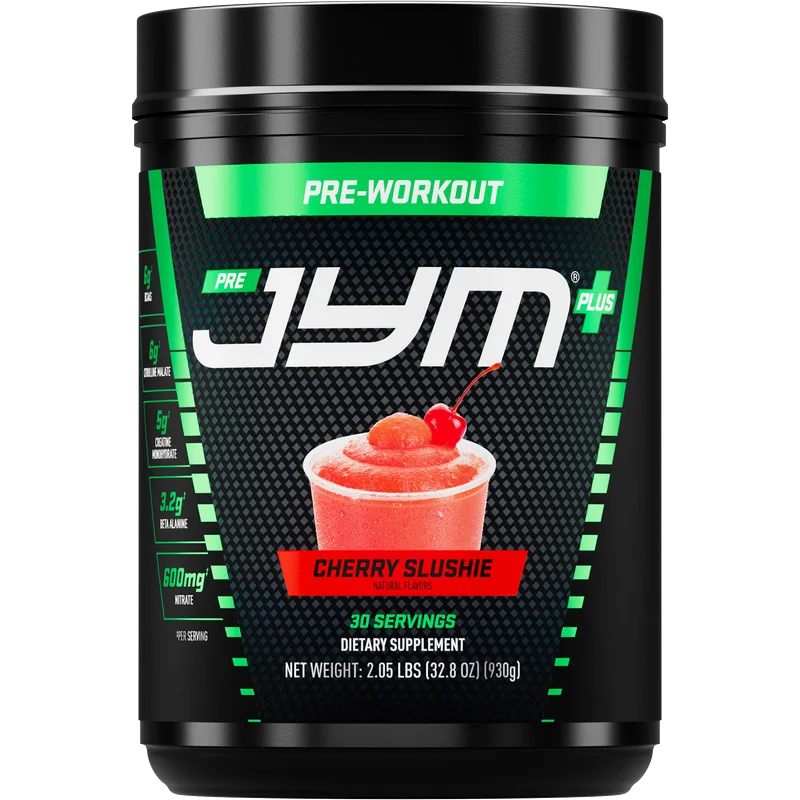
- Citrulline Malate: 6 g
- Selected studied range
- 6000 to 8000 mg
- Protocol and duration
- single acute dose, 40 to 60 minutes before training
- Studied context
- Studied for resistance-exercise repetition performance/muscular endurance, cycling performance, muscle-damage recovery, and muscle soreness. A 2021 critical review notes a single acute 8 g dose "may, albeit not consistently, increase muscular endurance-strength performance," with a meta-analysis finding an average 6.4% increase in repetitions with 6-8 g dosed 40-60 minutes pre-exercise, with a stronger trend for lower-body than upper-body exercises.
- Limitations
- The same review states there is "little evidence to advocate its use in the production and maintenance of muscular power, maximal strength, recovery of muscular function, or supporting muscular adaptations," calls cycling-performance effects "scarce," and says claims about reduced muscle soreness lack consistent support. Overall efficacy is called "ambiguous." The review also flags a real-world quality-control problem: commercial products often do not match the citrulline:malate ratio used in the research they cite.
Selected evidence: A critical review of citrulline malate supplementation and exercise performance, 2021 · Open source
A2
Creatine monohydrate
- Product declaration
- Creatine Monohydrate: 5 g
- Selected studied range
- 3000 to 5000 mg
- Protocol and duration
- per day maintenance, after an optional loading phase
- Studied context
- The ISSN 2017 position stand calls creatine monohydrate "the most effective ergogenic nutritional supplement currently available to athletes" for increasing high-intensity/intermittent exercise capacity and lean body mass during training. It also describes research into post-exercise recovery, injury prevention, thermoregulation, rehabilitation, concussion/spinal-cord neuroprotection, and use in clinical populations (aging-related sarcopenia, neurodegenerative disease, type 2 diabetes glycemic control), while noting creatine is "of little value" for pure endurance sports (per NIH ODS).
- Limitations
- ISSN 2017 states it is not yet established whether other creatine forms (e.g., creatine nitrate, or precursors like guanidinoacetic acid/GAA) produce greater muscle or brain creatine uptake than monohydrate. This is described as an active area of research, not a settled finding.
Selected evidence: ISSN position stand on creatine safety and efficacy, 2017 · Open source
A2
Beta-alanine
- Product declaration
- Beta Alanine: 3.2 g
- Selected studied range
- 4000 to 6000 mg
- Protocol and duration
- per day in divided doses, for at least 2 to 4 weeks, not as a single pre-workout dose
- Studied context
- Studied for high-intensity exercise capacity in the 60-240 second range via elevation of muscle carnosine, which acts as an intracellular pH buffer against acidosis. ISSN 2015 position stand: greatest performance benefits in "open end-point" tasks/time trials lasting 1-4 minutes; some benefit noted in aerobic exercise up to roughly 25 minutes; attenuation of neuromuscular fatigue, particularly noted in older adults.
- Limitations
- Strength/resistance-training outcomes remain mixed; training volume may increase without a clear strength gain. Tasks under 60 seconds do not show benefit. Endurance benefit beyond about 25 minutes is not established. Long-term safety data beyond roughly a year, and effects in special/tactical populations, are flagged as needing more research.
Selected evidence: ISSN position stand on beta-alanine, 2015 · Open source
A2
L-tyrosine
- Product declaration
- L-Tyrosine: 1.5 g
- Selected studied range
- 2000 to 2000 mg
- Protocol and duration
- per day for five days, in the cadet study
- Studied context
- Studied as the dietary precursor to norepinephrine for mitigating cognitive performance decrements under acute stress. A 2015 Military Medicine evidence review (rapid evidence assessment, 14 trials: 10 RCTs + 4 controlled clinical trials) issued a "weak recommendation" in favor of tyrosine for cognitive stress specifically, stating "all studies showed a positive effect" on that outcome. A widely cited primary study (Deijen et al. 1999, Brain Research Bulletin) gave cadets 2 g tyrosine daily for five days during a combat training course and found better memory and tracking-task performance, plus lower systolic blood pressure, versus a carbohydrate control.
- Limitations
- The 2015 Military Medicine review states explicitly that "no recommendation could be made" for tyrosine's effect on physical performance under stressful physical conditions, and concludes "available evidence is insufficient to make confident recommendations on the effectiveness of tyrosine for mitigating stress effects on physical/cognitive performance" overall, despite the positive signal on cognition. A separate heat-stress study found tyrosine ingestion did not influence cognitive function or physical performance during exercise heat stress despite raised serum tyrosine. NIH ODS's exercise/athletic-performance fact sheet does not cover tyrosine at all.
Selected evidence: Deijen et al., Brain Research Bulletin, 1999
A2
Taurine
- Product declaration
- Taurine: 1 g
- Selected studied range
- 1000 to 3000 mg
- Protocol and duration
- per day, acutely across 6 to 15 days
- Studied context
- Studied for aerobic performance (VO2max, time-to-exhaustion, time-trial performance), anaerobic/strength performance, exercise-induced muscle damage, and recovery. A 2018 review ("Taurine in sports and exercise," PMC8152067) reports small-to-moderate improvements across several of these outcomes in some studies.
- Limitations
- The 2018 review states plainly: "limited and varied findings prohibit definitive conclusions regarding the efficacy of taurine on aerobic and anaerobic performance," and separately notes no peer-reviewed evidence exists for an independent role of taurine in skeletal-muscle hypertrophy.
Selected evidence: Taurine in sports and exercise, 2018 · Open source
A4
Huperzine A
- Product declaration
- Huperzine A: 100 mcg
- Selected studied range
- No dose range selected
- Protocol and duration
- Not recorded in the selected comparison
- Studied context
- Marketed for memory, alertness, attention, concentration, and focus, and studied preliminarily in Alzheimer's disease populations (it is used as an approved pharmaceutical for this purpose in China). The DoD's Operation Supplement Safety (OPSS) resource, reviewing the evidence base, states plainly: "No reliable scientific evidence supports the use of huperzine A to enhance cognitive performance" in healthy individuals specifically.
- Limitations
- OPSS states no reliable evidence supports cognitive-enhancement use in healthy people; the Alzheimer's Association explicitly recommends against use, especially combined with prescription drugs, citing insufficient safety data and poorly understood long-term effects.
Selected evidence: Operation Supplement Safety, huperzine A · Open source
A2
Caffeine
- Product declaration
- Total caffeine from all declared sources: 300 mg
- Selected studied range
- 140 to 420 mg
- Protocol and duration
- 2 to 6 mg per kg body mass, 15 to 60 minutes before exercise, shown here for a 70 kg adult
- Studied context
- Studied for endurance-type aerobic exercise (moderate to large ergogenic effect, most consistent evidence category per ISSN 2021), muscular endurance and movement velocity in resistance exercise (small to moderate effects), sprinting/jumping/throwing (2-7% improvements), and cognitive attention/vigilance under fatigue. NIH ODS notes it "might enhance performance in endurance-type activities... And intermittent, long-duration activities."
- Limitations
- Minimal effective dose remains unclear. Repeated-sprint performance benefit is inconsistent and the ISSN position stand says this "requires further research." Effects of habitual/chronic caffeine use on the ergogenic response are described as equivocal.
Selected evidence: ISSN position stand on caffeine and exercise performance, 2021, with NIH ODS · Open source