A2
Beta-alanine
- Product declaration
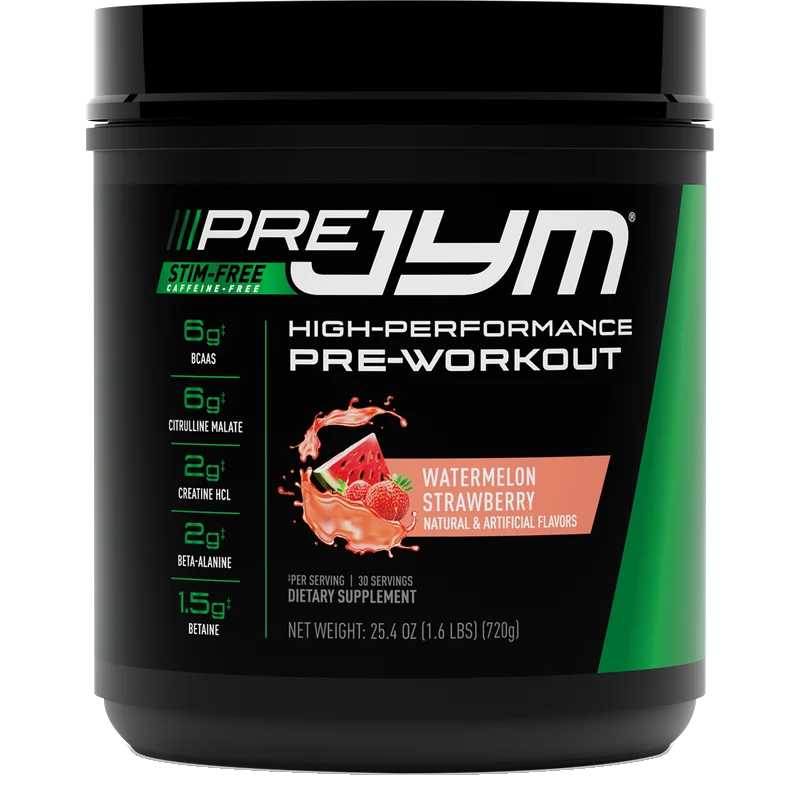
- Beta-Alanine: 2 g
- Selected studied range
- 4000 to 6000 mg
- Protocol and duration
- per day in divided doses, for at least 2 to 4 weeks, not as a single pre-workout dose
- Studied context
- Studied for high-intensity exercise capacity in the 60-240 second range via elevation of muscle carnosine, which acts as an intracellular pH buffer against acidosis. ISSN 2015 position stand: greatest performance benefits in "open end-point" tasks/time trials lasting 1-4 minutes; some benefit noted in aerobic exercise up to roughly 25 minutes; attenuation of neuromuscular fatigue, particularly noted in older adults.
- Limitations
- Strength/resistance-training outcomes remain mixed; training volume may increase without a clear strength gain. Tasks under 60 seconds do not show benefit. Endurance benefit beyond about 25 minutes is not established. Long-term safety data beyond roughly a year, and effects in special/tactical populations, are flagged as needing more research.
Selected evidence: ISSN position stand on beta-alanine, 2015 · Open source
A2
Taurine
- Product declaration
- Taurine: 1 g
- Selected studied range
- 1000 to 3000 mg
- Protocol and duration
- per day, acutely across 6 to 15 days
- Studied context
- Studied for aerobic performance (VO2max, time-to-exhaustion, time-trial performance), anaerobic/strength performance, exercise-induced muscle damage, and recovery. A 2018 review ("Taurine in sports and exercise," PMC8152067) reports small-to-moderate improvements across several of these outcomes in some studies.
- Limitations
- The 2018 review states plainly: "limited and varied findings prohibit definitive conclusions regarding the efficacy of taurine on aerobic and anaerobic performance," and separately notes no peer-reviewed evidence exists for an independent role of taurine in skeletal-muscle hypertrophy.
Selected evidence: Taurine in sports and exercise, 2018 · Open source
A2
Citrulline malate
- Product declaration
- Citrulline Malate: 6 g
- Selected studied range
- 6000 to 8000 mg
- Protocol and duration
- single acute dose, 40 to 60 minutes before training
- Studied context
- Studied for resistance-exercise repetition performance/muscular endurance, cycling performance, muscle-damage recovery, and muscle soreness. A 2021 critical review notes a single acute 8 g dose "may, albeit not consistently, increase muscular endurance-strength performance," with a meta-analysis finding an average 6.4% increase in repetitions with 6-8 g dosed 40-60 minutes pre-exercise, with a stronger trend for lower-body than upper-body exercises.
- Limitations
- The same review states there is "little evidence to advocate its use in the production and maintenance of muscular power, maximal strength, recovery of muscular function, or supporting muscular adaptations," calls cycling-performance effects "scarce," and says claims about reduced muscle soreness lack consistent support. Overall efficacy is called "ambiguous." The review also flags a real-world quality-control problem: commercial products often do not match the citrulline:malate ratio used in the research they cite.
Selected evidence: A critical review of citrulline malate supplementation and exercise performance, 2021 · Open source
A2
L-tyrosine
- Product declaration
- L-Tyrosine: 1.5 g
- Selected studied range
- 2000 to 2000 mg
- Protocol and duration
- per day for five days, in the cadet study
- Studied context
- Studied as the dietary precursor to norepinephrine for mitigating cognitive performance decrements under acute stress. A 2015 Military Medicine evidence review (rapid evidence assessment, 14 trials: 10 RCTs + 4 controlled clinical trials) issued a "weak recommendation" in favor of tyrosine for cognitive stress specifically, stating "all studies showed a positive effect" on that outcome. A widely cited primary study (Deijen et al. 1999, Brain Research Bulletin) gave cadets 2 g tyrosine daily for five days during a combat training course and found better memory and tracking-task performance, plus lower systolic blood pressure, versus a carbohydrate control.
- Limitations
- The 2015 Military Medicine review states explicitly that "no recommendation could be made" for tyrosine's effect on physical performance under stressful physical conditions, and concludes "available evidence is insufficient to make confident recommendations on the effectiveness of tyrosine for mitigating stress effects on physical/cognitive performance" overall, despite the positive signal on cognition. A separate heat-stress study found tyrosine ingestion did not influence cognitive function or physical performance during exercise heat stress despite raised serum tyrosine. NIH ODS's exercise/athletic-performance fact sheet does not cover tyrosine at all.
Selected evidence: Deijen et al., Brain Research Bulletin, 1999