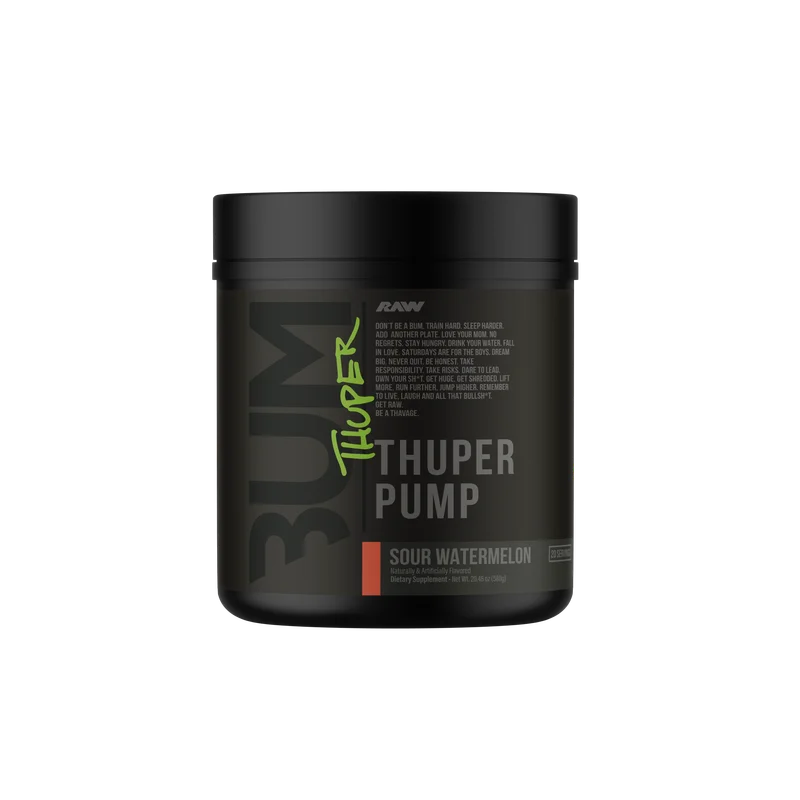
A1
L-citrulline
- Product declaration
- L-Citrulline: 8 g
- Selected studied range
- 3000 to 9000 mg
- Protocol and duration
- per day, in the studies NIH ODS summarizes
- Studied context
- Studied as a nitric-oxide pathway precursor (converted to arginine via the urea cycle) for aerobic exercise performance measures such as oxygen-uptake (VO2) kinetics, blood lactate, and rate of perceived exertion, and for acute resistance-exercise performance and muscle oxygenation. NIH ODS describes evidence for enhancing performance as limited, with few studies and conflicting results.
- Limitations
- A 2022 systematic review/meta-analysis found no significant benefit for endurance-performance outcomes specifically. A single 8 g acute dose did not enhance isometric force production, muscle endurance, or muscle-oxygenation parameters in one resistance-exercise study. NIH ODS characterizes overall performance-enhancement evidence as limited.
Selected evidence: NIH ODS, Dietary Supplements for Exercise and Athletic Performance · Open source
A2
Beta-alanine
- Product declaration
- Beta Alanine: 6.4 g
- Selected studied range
- 4000 to 6000 mg
- Protocol and duration
- per day in divided doses, for at least 2 to 4 weeks, not as a single pre-workout dose
- Studied context
- Studied for high-intensity exercise capacity in the 60-240 second range via elevation of muscle carnosine, which acts as an intracellular pH buffer against acidosis. ISSN 2015 position stand: greatest performance benefits in "open end-point" tasks/time trials lasting 1-4 minutes; some benefit noted in aerobic exercise up to roughly 25 minutes; attenuation of neuromuscular fatigue, particularly noted in older adults.
- Limitations
- Strength/resistance-training outcomes remain mixed; training volume may increase without a clear strength gain. Tasks under 60 seconds do not show benefit. Endurance benefit beyond about 25 minutes is not established. Long-term safety data beyond roughly a year, and effects in special/tactical populations, are flagged as needing more research.
Selected evidence: ISSN position stand on beta-alanine, 2015 · Open source
A2
Creatine monohydrate
- Product declaration
- Creatine Monohydrate: 5 g
- Selected studied range
- 3000 to 5000 mg
- Protocol and duration
- per day maintenance, after an optional loading phase
- Studied context
- The ISSN 2017 position stand calls creatine monohydrate "the most effective ergogenic nutritional supplement currently available to athletes" for increasing high-intensity/intermittent exercise capacity and lean body mass during training. It also describes research into post-exercise recovery, injury prevention, thermoregulation, rehabilitation, concussion/spinal-cord neuroprotection, and use in clinical populations (aging-related sarcopenia, neurodegenerative disease, type 2 diabetes glycemic control), while noting creatine is "of little value" for pure endurance sports (per NIH ODS).
- Limitations
- ISSN 2017 states it is not yet established whether other creatine forms (e.g., creatine nitrate, or precursors like guanidinoacetic acid/GAA) produce greater muscle or brain creatine uptake than monohydrate. This is described as an active area of research, not a settled finding.
Selected evidence: ISSN position stand on creatine safety and efficacy, 2017 · Open source
A1
Betaine anhydrous
- Product declaration
- Betaine Anhydrous: 1.85 g
- Selected studied range
- 2000 to 5000 mg
- Protocol and duration
- per day, studied for up to 15 days
- Studied context
- NIH ODS describes betaine as studied for strength- and power-based performance in bodybuilders and cyclists, with "potential but modest" improvements from a limited set of small, sometimes conflicting studies. A 2024/2025 systematic review focused specifically on endurance performance (VO2max, time-to-exhaustion, time-to-completion, power output).
- Limitations
- The endurance systematic review explicitly states "limited and inconclusive evidence regarding the definitive ergogenic effect of betaine supplementation on endurance exercise performance". Only 2 of 5 reviewed studies showed a significant improvement, and the authors call for "additional, more rigorous research."
Selected evidence: NIH ODS, Dietary Supplements for Exercise and Athletic Performance · Open source