A2
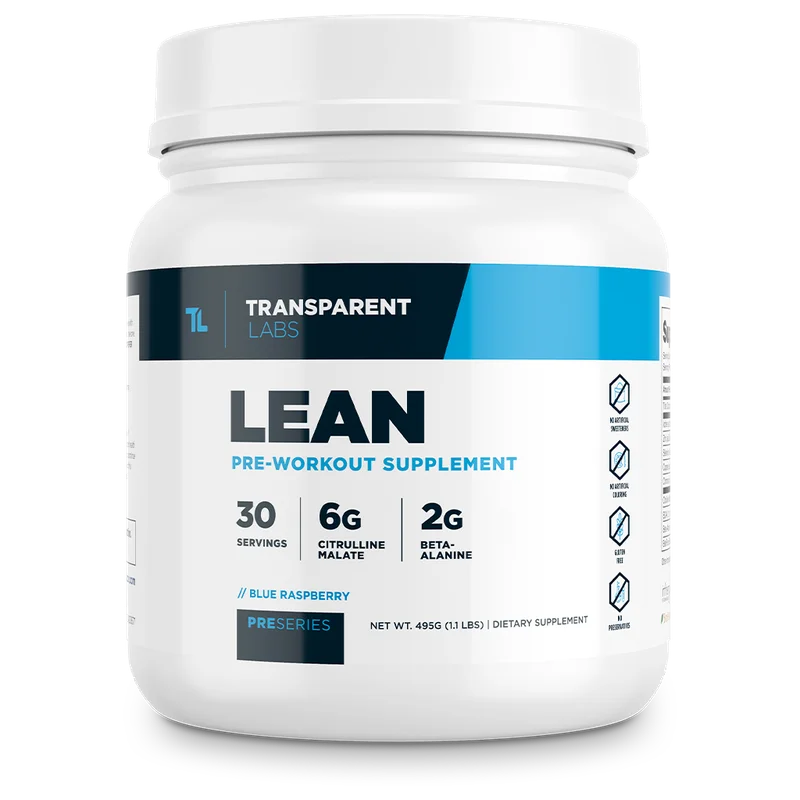
Citrulline malate
- Product declaration
- Citrulline Malate 2:1: 6000 mg
- Selected studied range
- 6000 to 8000 mg
- Protocol and duration
- single acute dose, 40 to 60 minutes before training
- Studied context
- Studied for resistance-exercise repetition performance/muscular endurance, cycling performance, muscle-damage recovery, and muscle soreness. A 2021 critical review notes a single acute 8 g dose "may, albeit not consistently, increase muscular endurance-strength performance," with a meta-analysis finding an average 6.4% increase in repetitions with 6-8 g dosed 40-60 minutes pre-exercise, with a stronger trend for lower-body than upper-body exercises.
- Limitations
- The same review states there is "little evidence to advocate its use in the production and maintenance of muscular power, maximal strength, recovery of muscular function, or supporting muscular adaptations," calls cycling-performance effects "scarce," and says claims about reduced muscle soreness lack consistent support. Overall efficacy is called "ambiguous." The review also flags a real-world quality-control problem: commercial products often do not match the citrulline:malate ratio used in the research they cite.
Selected evidence: A critical review of citrulline malate supplementation and exercise performance, 2021 · Open source
A2
Beta-alanine
- Product declaration
- Beta-Alanine: 2000 mg
- Selected studied range
- 4000 to 6000 mg
- Protocol and duration
- per day in divided doses, for at least 2 to 4 weeks, not as a single pre-workout dose
- Studied context
- Studied for high-intensity exercise capacity in the 60-240 second range via elevation of muscle carnosine, which acts as an intracellular pH buffer against acidosis. ISSN 2015 position stand: greatest performance benefits in "open end-point" tasks/time trials lasting 1-4 minutes; some benefit noted in aerobic exercise up to roughly 25 minutes; attenuation of neuromuscular fatigue, particularly noted in older adults.
- Limitations
- Strength/resistance-training outcomes remain mixed; training volume may increase without a clear strength gain. Tasks under 60 seconds do not show benefit. Endurance benefit beyond about 25 minutes is not established. Long-term safety data beyond roughly a year, and effects in special/tactical populations, are flagged as needing more research.
Selected evidence: ISSN position stand on beta-alanine, 2015 · Open source
A1
Betaine anhydrous
- Product declaration
- Betaine Anhydrous (as BetaPure): 1500 mg
- Selected studied range
- 2000 to 5000 mg
- Protocol and duration
- per day, studied for up to 15 days
- Studied context
- NIH ODS describes betaine as studied for strength- and power-based performance in bodybuilders and cyclists, with "potential but modest" improvements from a limited set of small, sometimes conflicting studies. A 2024/2025 systematic review focused specifically on endurance performance (VO2max, time-to-exhaustion, time-to-completion, power output).
- Limitations
- The endurance systematic review explicitly states "limited and inconclusive evidence regarding the definitive ergogenic effect of betaine supplementation on endurance exercise performance". Only 2 of 5 reviewed studies showed a significant improvement, and the authors call for "additional, more rigorous research."
Selected evidence: NIH ODS, Dietary Supplements for Exercise and Athletic Performance · Open source
A1
Choline bitartrate
- Product declaration
- Choline Bitartrate: 500 mg
- Selected studied range
- 425 to 550 mg
- Protocol and duration
- Adequate Intake for adults, a nutrient reference and not an ergogenic dose
- Studied context
- NIH ODS's Choline Health Professional fact sheet establishes choline's core physiological roles: synthesis of phosphatidylcholine and sphingomyelin for cell-membrane structure, acetylcholine (a neurotransmitter for memory, mood, and muscle control) production, methyl-group donation, gene-expression modulation, and brain development. Choline bitartrate is named as one of three supplement forms (with phosphatidylcholine and lecithin).
- Limitations
- NIH ODS states explicitly: "No studies have compared the relative bioavailability of choline from these different forms". Meaning choline bitartrate's absorption/efficacy relative to phosphatidylcholine, lecithin, or non-bitartrate forms (like alpha-GPC) is not established by NIH's own review.
Selected evidence: NIH ODS, Choline fact sheet · Open source
A2
L-theanine
- Product declaration
- L-Theanine: 180 mg
- Selected studied range
- 12 to 400 mg
- Protocol and duration
- per day across trials, with most using 200 mg
- Studied context
- Studied for attention/reaction-time measures and for stress-related relaxation without sedation. A meta-analysis/systematic review of 31 randomized controlled trials (n=1,168) found a single 200 mg dose taken 30-60 minutes before testing significantly improved choice reaction time (SMD = 0.51, 95% CI 0.25-0.77); a subset of 5 RCTs in 148 healthy adults found a dose-dependent effect on rapid visual information processing and recognition visual reaction time.
- Limitations
- The review describing itself as "promising, but not completely conclusive" signals the overall evidence base has not reached firm consensus strength despite the positive reaction-time finding.
Selected evidence: Systematic review and meta-analysis of L-theanine on cognitive performance · Open source
A1
Theobromine
- Product declaration
- Theobromine: 50 mg
- Selected studied range
- No dose range selected
- Protocol and duration
- Not recorded in the selected comparison
- Studied context
- EFSA's Panel on Food Contact Materials, Enzymes, Flavourings and Processing Aids (CEF), in its 2017 opinion on xanthine alkaloids from the flavoring priority list, treats theobromine as a major metabolite of caffeine. Roughly 11% of an ingested caffeine dose converts systemically to theobromine. And states that because "only limited toxicity data in humans are available" for theobromine directly, its safety assessment leans on the extensive caffeine safety literature (EFSA's 2015 caffeine opinion) rather than an independent human-efficacy dataset for theobromine as a standalone ergogenic ingredient.
- Limitations
- No sports-performance-specific position stand or ISSN evaluation of theobromine as a standalone ergogenic ingredient was located in this research pass. EFSA's own framing acknowledges limited independent human toxicity data on theobromine itself.
Selected evidence: EFSA Flavouring Group Evaluation 49 Revision 1, 2017 · Open source
A2
Caffeine
- Product declaration
- Total caffeine from all declared sources: 180 mg
- Selected studied range
- 140 to 420 mg
- Protocol and duration
- 2 to 6 mg per kg body mass, 15 to 60 minutes before exercise, shown here for a 70 kg adult
- Studied context
- Studied for endurance-type aerobic exercise (moderate to large ergogenic effect, most consistent evidence category per ISSN 2021), muscular endurance and movement velocity in resistance exercise (small to moderate effects), sprinting/jumping/throwing (2-7% improvements), and cognitive attention/vigilance under fatigue. NIH ODS notes it "might enhance performance in endurance-type activities... And intermittent, long-duration activities."
- Limitations
- Minimal effective dose remains unclear. Repeated-sprint performance benefit is inconsistent and the ISSN position stand says this "requires further research." Effects of habitual/chronic caffeine use on the ergogenic response are described as equivocal.
Selected evidence: ISSN position stand on caffeine and exercise performance, 2021, with NIH ODS · Open source